Last updated October 31, 2026
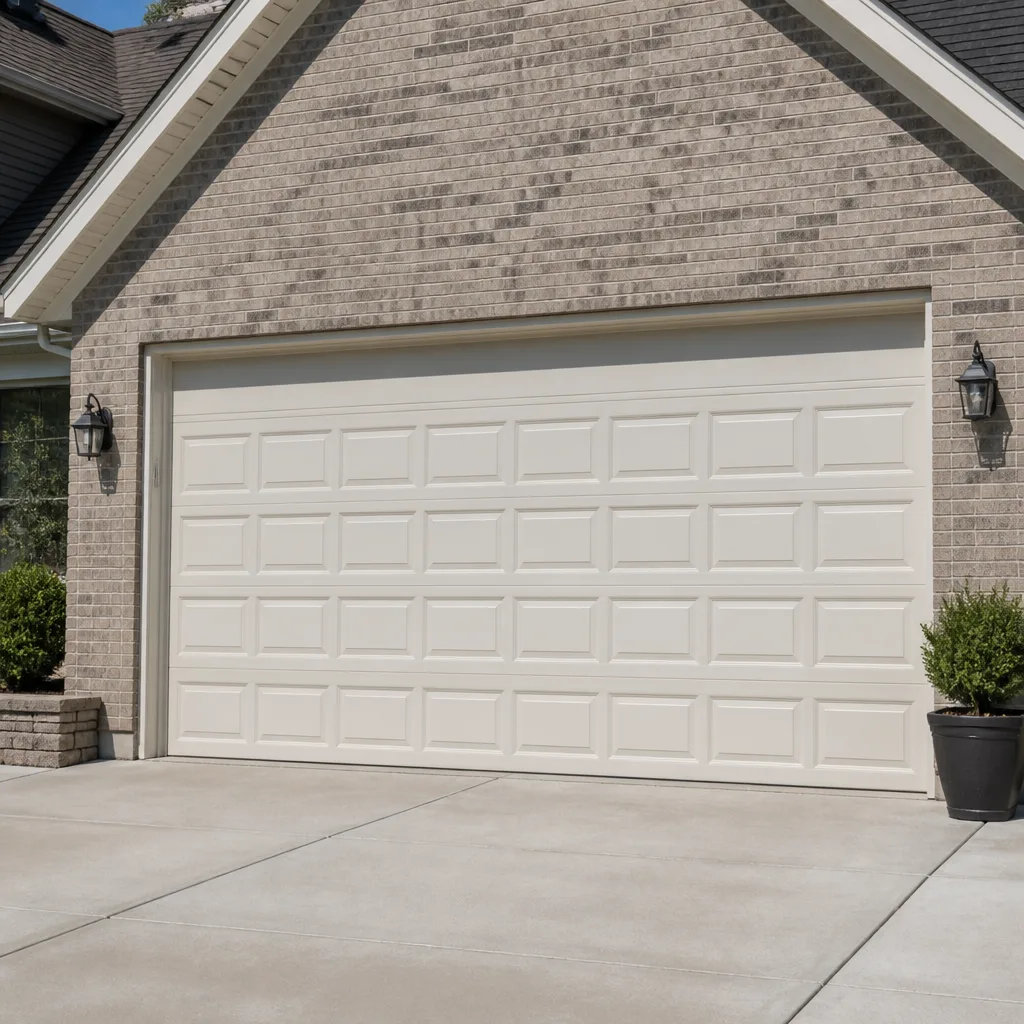 Raised-panel steel
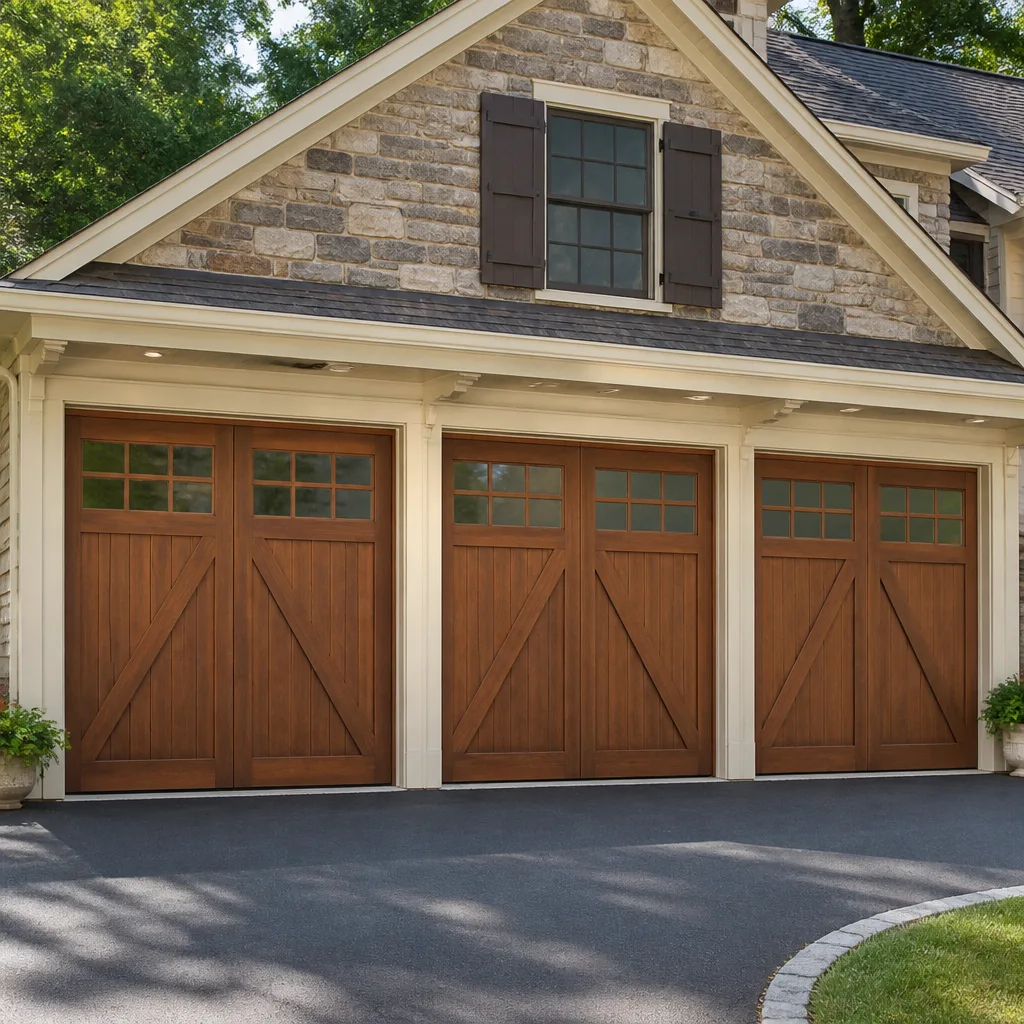 Carriage house
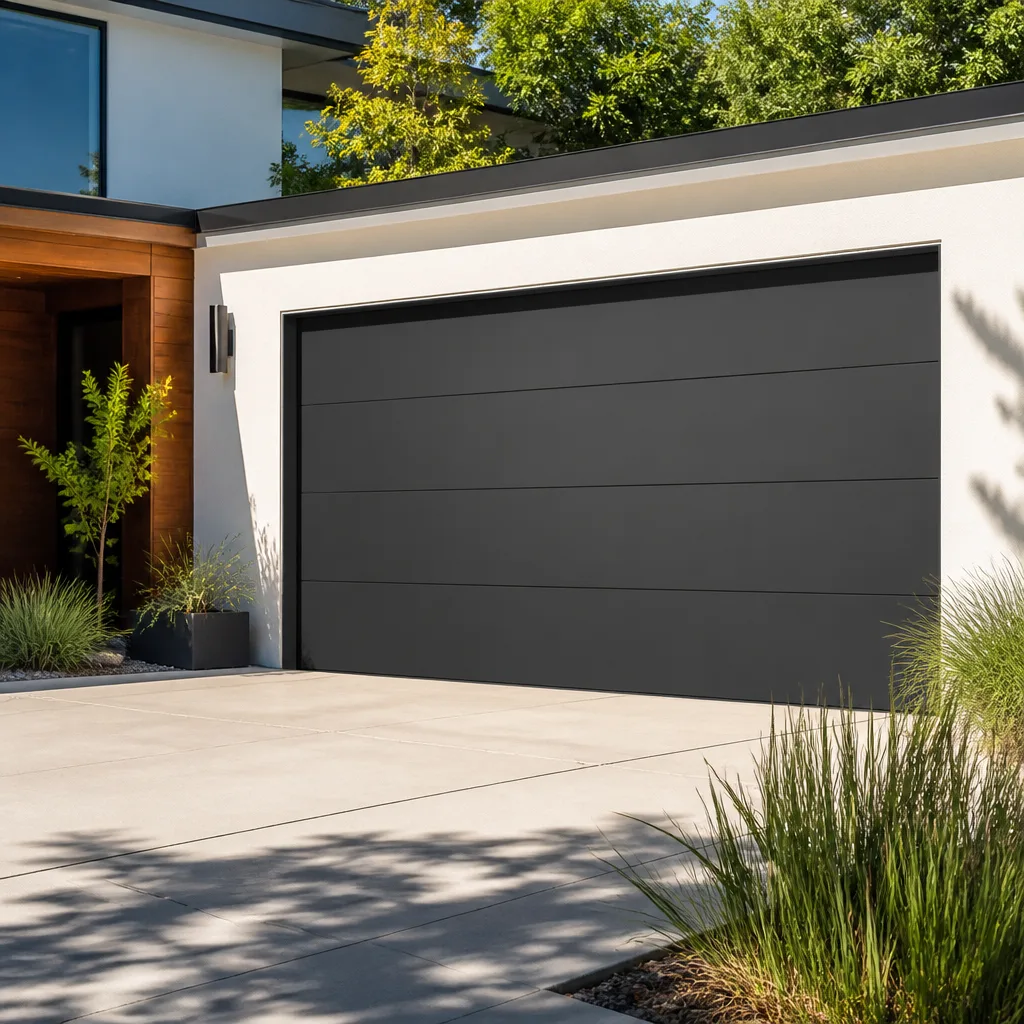 Modern flush
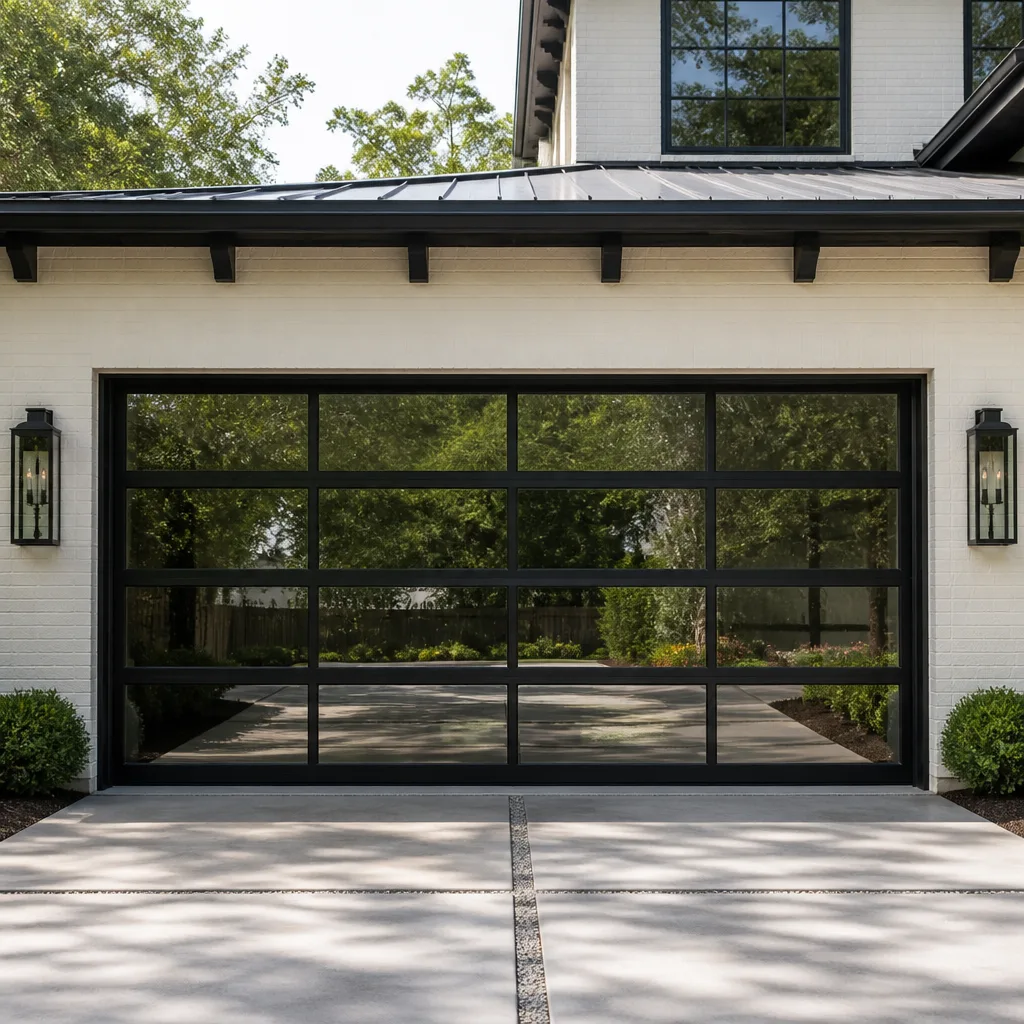 Full-view glass
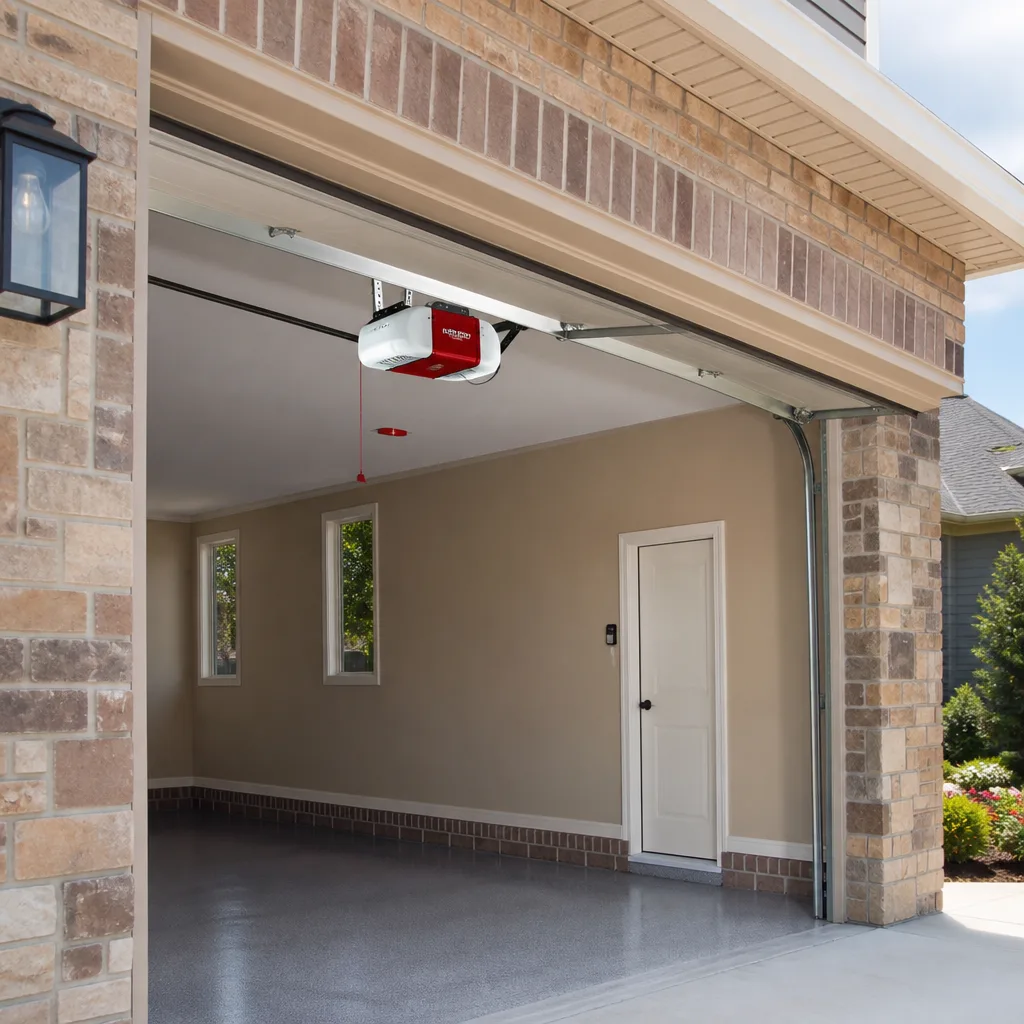 LiftMaster openers
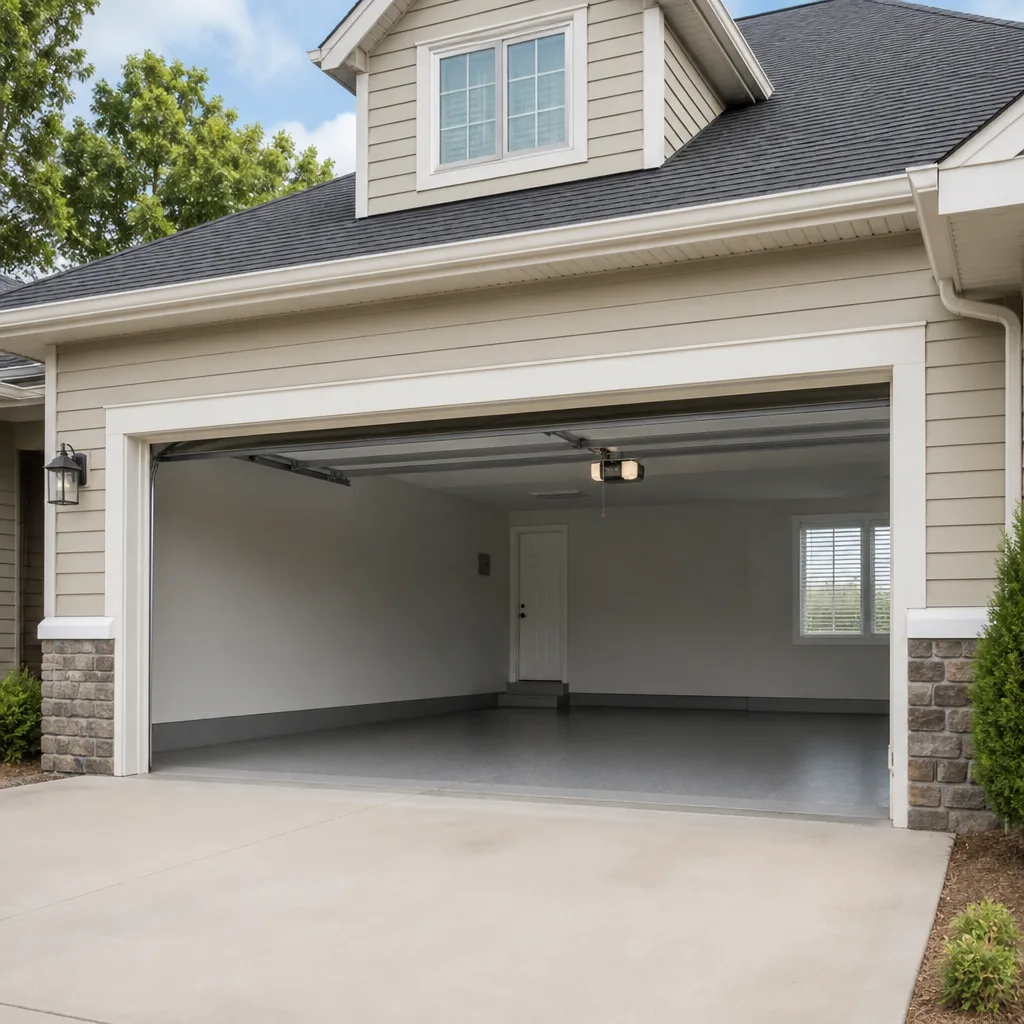 Chamberlain openers
Full 25-point door and opener safety check with every visit - springs, cables, rollers, tracks, and your LiftMaster or Chamberlain opener included
You get a price before we start. It does not change when the truck arrives.
Get your free estimateGarage Door Emergency Preparedness Guide for Santa Ana Homes
A garage door torsion spring carries enough tension to lift a 400-pound door thousands of times, and when it snaps at 11 PM on a Tuesday in Santa Ana, the sound is often mistaken for a gunshot. What follows is a cascade of problems most homeowners have never rehearsed: a car trapped inside, a door that won’t budge, and a gaping entry point into your home that stays vulnerable until someone does something about it. This guide covers exactly what to do in the first three minutes, how to secure a stuck-open door overnight, what to document before a technician arrives, and why Santa Ana’s earthquake history makes pre-tremor inspection a habit worth building. For ongoing care, see our Garage Door Repair Maintenance Checklist for Santa Ana Homeowners. You’ll finish with a clear triage system that tells you what’s a same-night emergency and what can wait until morning.
Styles & brands we work with
Quick Answer
In a garage door emergency in Santa Ana, the first step is determining whether the door is stuck open or stuck closed. A door stuck open is a security emergency requiring immediate action to secure the opening, while a door stuck closed is an inconvenience you can typically address the next morning. The safest immediate response either way is to disconnect the opener using the red emergency release cord, then manually position the door to the most secure state possible without forcing anything that resists.
Table of Contents
- Triage: Same-Night Emergency vs. Next-Morning Priority
- Manual Override: Step-by-Step for the Five Most Common Santa Ana Opener Brands
- How to Secure a Stuck-Open Garage Door Overnight
- What to Document Before a Technician Arrives
- Earthquake Preparedness: Track Alignment and Post-Tremor Inspection
- Preventive Steps That Reduce Emergency Odds
- Common Mistakes to Avoid
- When to Call a Professional
- Frequently Asked Questions
- The Bottom Line
Triage: Same-Night Emergency vs. Next-Morning Priority
The single most important decision you’ll make in a garage door emergency is whether to act now or wait until morning. Santa Ana homeowners misjudge this constantly, and the misjudgment runs both directions: people panic over a door stuck closed and lose sleep over nothing, while others shrug off a door stuck open and leave their home exposed all night. Here’s the simple framework we use when helping customers assess the situation over the phone.
Same-night emergency: door stuck open
If your garage door is stuck in the open position and cannot be closed, you have an active security vulnerability. The garage interior is visible, tools and bicycles are accessible, and in many Santa Ana homes built before the 1990s, the interior door from the garage to the house is hollow-core and easily forced. This is not a wait-until-morning situation. The exposed opening is also an invitation for opportunistic theft in denser neighborhoods like Floral Park, French Park, or the areas around Bristol Street, where garage contents are routinely targeted. Treat a stuck-open door as the same urgency level as a broken front door lock.
Next-morning priority: door stuck closed
A door that won’t open is frustrating but not dangerous. Your home remains secured, your vehicles are protected, and the only true cost is transportation inconvenience. If you can take a rideshare, borrow a car, or work from home for one day, a stuck-closed door is a next-morning call, not a 2 AM dispatch. The exception: if you have a medical appointment, a flight, or a work shift that requires your vehicle and no alternative exists, that shifts the priority. But even then, a quality repair company in Santa Ana can typically schedule a same-day morning visit if you call by 7 AM.
Quick triage table
- Door stuck open: Security risk. Act immediately. Secure the opening, then call.
- Door stuck closed, vehicle needed tomorrow: Call first thing in the morning. Most Santa Ana repair calls placed before 8 AM get same-day service.
- Door stuck closed, no vehicle needed tomorrow: Standard scheduling. No urgency. Book at your convenience.
- Door stuck partially open (6-18 inches): Security risk. Act immediately. Treat like stuck-open.
- Door making grinding noise but still operating: Stop using it. Call for diagnostics. Continued use risks compounding damage.
The triage matters because emergency dispatch fees in Orange County often run higher than standard rates, and knowing which category you’re in protects you from unnecessary spending. A stuck-closed door at midnight is not an emergency. A stuck-open door at noon is. The distinction is about exposure, not inconvenience.
Manual Override: Step-by-Step for the Five Most Common Santa Ana Opener Brands
Every garage door opener installed in the last 40 years includes an emergency release mechanism that disconnects the door from the motorized carriage, allowing manual operation. In Santa Ana homes, five brands account for the overwhelming majority of installed openers: LiftMaster, Chamberlain, Genie, Craftsman, and Raynor. The release mechanism varies slightly by brand, and knowing your brand’s specific procedure saves critical minutes during an emergency. If your opener predates 1990 or you’re unsure of the brand, contact Garage Door Opener Repair in Santa Ana for identification before an emergency strikes.
LiftMaster and Chamberlain (same parent company, identical mechanism)
- Locate the red emergency release cord hanging from the opener rail. On LiftMaster and Chamberlain units, it’s a red plastic T-handle, typically hanging 12-18 inches behind the motor unit.
- Pull straight down firmly. You’ll hear a distinct click as the carriage disengages from the drive chain or belt.
- Confirm disconnection by attempting to lift the door manually. If it still feels connected, pull again with more force.
- To operate the door manually, lift from the handle at the bottom center of the door. A properly balanced door should lift smoothly and stay in place when released at chest height. If it’s heavy or slams down, the springs are compromised, and you should not operate it further.
Genie
- Find the emergency release cord on Genie units. It’s usually red and located toward the front of the opener rail, closer to the door than LiftMaster’s design.
- Pull the cord down and toward the door to disengage. Some Genie models require a slight horizontal pull rather than straight down.
- Listen for the click confirming the carriage has released from the screw drive or belt.
- Test manual operation as described above. Genie screw-drive units can be stiff in cold weather, but Santa Ana’s climate rarely triggers that issue.
Craftsman
- Craftsman openers sold through Sears use a red release handle that is often round or oval rather than T-shaped.
- Pull straight down until you feel resistance release. On belt-drive Craftsman units, the release is sometimes located closer to the motor than other brands.
- The door is now in manual mode. Operate it by lifting from the handle only.
- Re-engagement: push the door open button, then manually move the door until the carriage reconnects with the drive mechanism. You may hear a secondary click when the two re-engage.
Raynor
- Raynor openers, often paired with Raynor doors, use a release cord that pulls toward the door at approximately a 45-degree angle.
- Pull firmly but steadily. Avoid yanking, as older Raynor release mechanisms can bind if engaged suddenly.
- The door should now lift manually. Raynor doors tend to run on the heavier side, so if you’ve never manually operated one, expect more weight than a builder-grade door.
- If the door feels exceptionally heavy or drops quickly when released from chest height, stop. The springs are shot, and manual operation without spring support is dangerous.
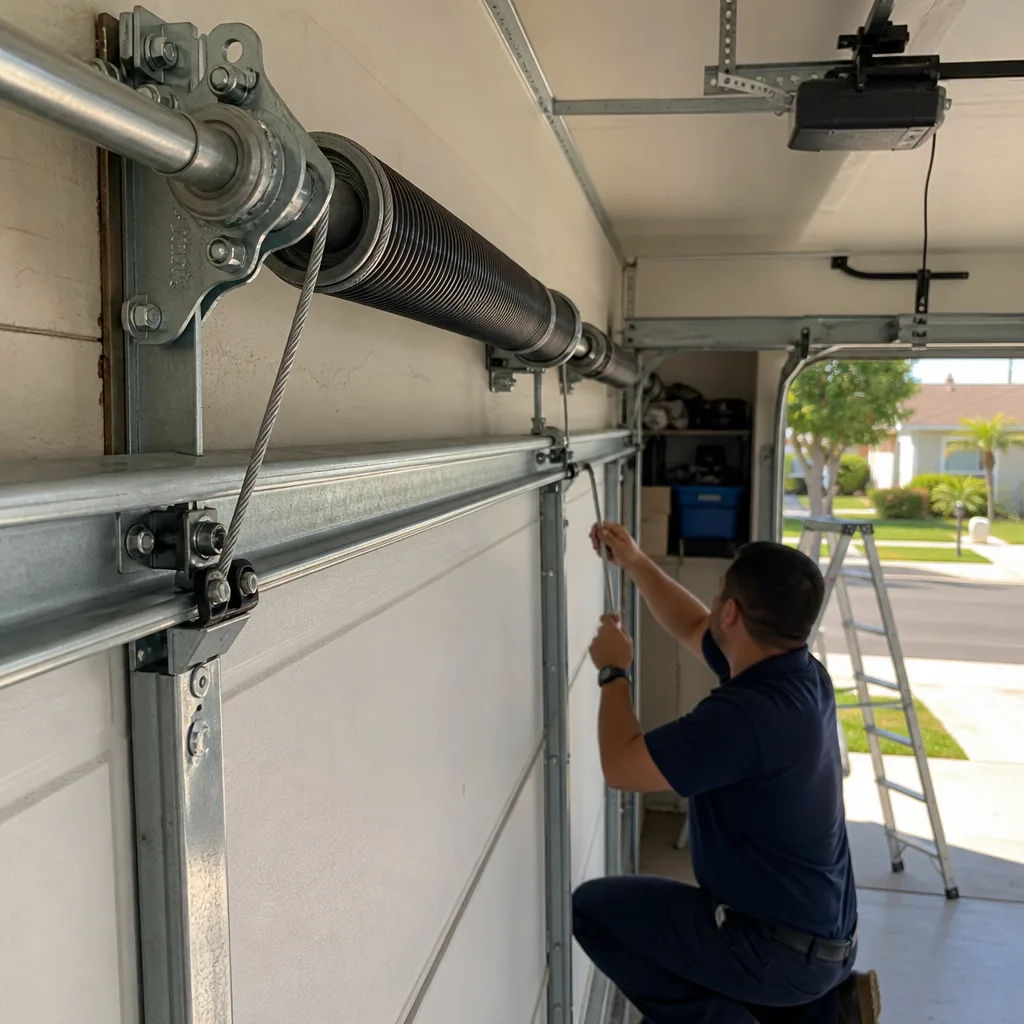
Important safety caveat: Never attempt to manually operate a door whose springs are visibly broken, stretched, or separated. A torsion spring that has snapped will leave the door’s full 150-400 pounds unsupported, and a door that falls unexpectedly can cause crushing injuries or death. If you see a gap in the spring above the door or hear a loud bang when the door was last operated, do not touch the door. Call a professional immediately. For help identifying what went wrong, see our Garage Door Repair Troubleshooting: Common Problems and How to Fix Them. This is not a DIY situation under any circumstances.
Knowing your opener brand also helps when you call for service. When a Santa Ana homeowner can tell us they have a Genie screw drive versus a Chamberlain belt drive, we arrive with the right diagnostics in mind. That’s the advantage of a company trained across all major brands rather than one that only services what it sells. You can learn more about our approach at the Royal Garage Door Co home page.
How to Secure a Stuck-Open Garage Door Overnight
When your garage door is stuck open at 10 PM in Santa Ana and a technician can’t arrive until morning, you need a way to secure the opening that doesn’t risk injury or cause secondary damage. The methods below are ordered from least to most involved, and each is appropriate to specific situations. The goal is not elegant; the goal is a closed opening that deters entry and protects your belongings until a professional arrives.
Option 1: Manual close with spring support intact
If the opener failed but the springs are healthy, disconnect the opener using the emergency release described above and pull the door down manually. This works roughly 35% of the time in our experience: the motor died, but the door itself is fine. Once closed, insert a locking device through the track if you have one, or use vise grips clamped onto the vertical track just above a roller to prevent the door from being lifted. Do not activate the opener’s lock feature; with the door disconnected, it will do nothing. A simple clamp on the track is far more effective. In many Santa Ana neighborhoods, we see homeowners use a padlock through the track holes, and that works too.
Option 2: Spring broken, door too heavy to move
If the door is stuck open and too heavy to move manually, you have a spring failure. Do not force the door down. The door could freefall once it gains momentum, and the result is often a bent panel, a shattered roller, or a serious injury. Instead, secure the opening by positioning vehicles, trash bins, or other large objects across the lower portion of the opening to make entry awkward. Then close and lock the interior door from the garage to the house. If no interior door exists, lock the vehicle doors and remove garage door openers from any car parked outside. This is a stopgap only, but it raises the effort required for someone to enter undetected.
Option 3: Partial closure with c-clamps
If the door can be manually lowered partway but won’t close fully due to a bent track or jammed roller, lower it as far as it will go without forcing, then fasten C-clamps to the vertical track below the lowest roller on each side. This mechanically blocks the door from being lifted. It doesn’t close the gap completely, but an 18-inch gap with clamps is far more secure than a fully open door. Note that clamping a door under spring tension isn’t dangerous if the door is stationary, but do not attempt this if the door has already started drooping on one side. In that situation, the door is unstable, and positioning yourself beneath it is not safe.
What we’ve seen in Santa Ana specifically
In the neighborhoods around MainPlace Mall and the Civic Center, we’ve responded to overnight calls where homeowners attempted to secure doors with rope, bungee cords, or their own body weight. None of these work, and the last one is dangerous. Rope stretches, bungee cords snap, and a 300-pound door overpowers a human every time. The clamp method is the only reliable stopgap we’ve seen hold overnight. If you’re in a bind and own a pair of large vise grips, this is the moment they earn their keep. For broader guidance on door issues, Garage Door Repair in Santa Ana covers what to expect from a full-service visit.
What to Document Before a Technician Arrives
Emergency repair pricing is where unscrupulous operators take advantage of panicked homeowners, and Santa Ana’s dense housing market means bad actors occasionally work the area. Documenting the failure before you call protects you against inflated pricing and gives the technician a head start on diagnosis. It takes five minutes and can save hundreds of dollars.
What to capture
- Photos of the failure point: If you can see a broken spring, take a photo from a safe distance. If the door is misaligned in the track, photograph it. If the opener chain is hanging loose, photograph it. These images establish the scope of the problem before anyone gives you a price.
- Brand names visible on the equipment: The door manufacturer is usually stamped on the bottom panel or the top of the door when open. The opener brand is printed on the motor unit. Photograph both. A technician quoting a repair without knowing the brand may be pricing a generic fix that won’t hold.
- Video of the door attempting to operate: If the opener still responds but the door doesn’t move correctly, record a 10-second clip of you pressing the button and the door’s response. This audio-visual record often reveals more than a verbal description.
- Your manual release attempt: If you attempted the emergency release and the door remained stuck, note whether you felt resistance, heard a click, or saw the carriage move. These specifics matter for opener diagnostics.
- The age of the door and opener, if known: Check your home’s original purchase documents if you’re the first owner. A door older than 15 years with original springs is a completely different diagnostic picture than a 5-year-old door.
Why documentation matters at pricing time
A technician who arrives to find you’ve already identified the spring is broken, photographed the brand plate, and attempted the manual release knows two things: you’re informed, and you’ve created a record. That changes the conversation. When we arrive at a Santa Ana home and the owner hands us photos plus a brand list, the diagnostic phase is cut in half because we already know where to look. For customers, this means a more accurate quote and no “discovered” problems that mysteriously double the price mid-job. Make sure whoever you call commits to a price before starting work. At Royal Garage Door Co, the number we quote on the phone or at arrival is the number on the invoice unless we find something genuinely different than what was described, in which case we call and explain before we proceed.
Earthquake Preparedness: Track Alignment and Post-Tremor Inspection
Santa Ana sits on the San Andreas-adjacent fault system, and while the city doesn’t experience the same seismic intensity as Riverside or San Bernardino, tremors in the 3.0-5.0 range occur regularly enough that garage door track systems get subtly jarred out of alignment several times per decade. The problem compounds because homeowners rarely inspect their tracks after a small quake, and a track that’s drifted a quarter-inch quietly increases roller wear until a roller pops out entirely, turning a minor maintenance issue into an emergency door failure. Local regulations also matter; see Garage Door Permits, Codes & Inspections in CA: What You Need to Know.
What seismic activity does to garage door systems
The vertical track assembly on each side of the door is bolted to the garage framing at multiple points. During a tremor, the framing shifts slightly relative to the foundation, and the track bolts can loosen or shift within their mounting holes. The horizontal track above the motor can also twist if the ceiling joists move. Once a track is slightly out of parallel with its partner, the door’s rollers bind unevenly as the door travels, creating friction and eventually wearing through a roller bearing or bending the roller stem. In worst cases, the door binds mid-travel and the opener strains against the load, burning out the motor over weeks or months.
Post-tremor inspection checklist
- Observe the door from inside the garage while it opens: Watch both sides. The door should rise evenly. If one side leads by more than a half-inch, the track alignment is off.
- Listen for new grinding or squealing sounds: Roller noise that wasn’t there before the quake indicates the track has shifted. A roller running against a misaligned track grinds at each turn.
- Check all track bolts: With the door closed, check each bolt where the vertical and horizontal tracks meet the wall and ceiling. If any bolt head has visible daylight around it or can be turned by hand, the track has loosened.
- Examine the gap between the track and door rollers: Each roller should sit centered in the track channel. If rollers on one side touch the track wall or the gap looks uneven, the track is out of position.
- Test the balance manually: Disconnect the opener and lift the door. A door that has shifted from alignment feels heavier on one side or resists at a particular point in travel. Stop operating if you feel resistance and call a professional.
After any quake above 4.0 in Santa Ana: do the balance test before you use the opener normally. It costs two minutes and catches alignment problems before they become a 7 AM emergency with your car stuck inside. If you suspect track damage, Garage Door Installation in Santa Ana covers what a track replacement or adjustment involves, and the same team here at Royal Garage Door Co handles it without subcontracting to a separate company.
Preventive Steps That Reduce Emergency Odds
Most garage door emergencies in Santa Ana are preventable, and the prevention costs less than one-third what an emergency repair costs. A torsion spring that snaps at 11 PM usually showed warning signs for weeks: a door that felt heavier, an opener that strained audibly, a visible gap appearing in the spring coil. Homeowners miss these signs because garage doors are background infrastructure, like water heaters and circuit breakers: nobody thinks about them until they fail. Changing that habit is the single most effective emergency-preparedness move you can make.
The five-minute monthly check
- Disconnect the opener and lift the door manually once a month. The door should lift smoothly and hold at chest height. If it feels heavy, drops when released, or resists at any point, the springs or track need attention. This one test catches most mechanical failures weeks before they become emergencies.
- Inspect the torsion spring visually once a month. A healthy spring is one continuous coil with no gaps. A visible separation anywhere along the spring body means the spring is fractured and operating on borrowed time. Do not touch it. Do not operate the door. Call immediately.
- Listen for changes in opener sound. If your opener’s hum changes pitch, gets louder, or makes grinding noises it didn’t make a month ago, that’s a mechanical signal worth investigating. Opener motors and gear assemblies fail gradually, and the noise is the early warning.
- Check the weather seal along the bottom of the door. In Santa Ana’s dry climate, rubber seals crack and shrink faster than in coastal cities. A compromised seal lets in dust, pests, and in rare heavy-precipitation winters, water that can damage stored items. It doesn’t cause emergencies directly, but a door with a bad seal often has adjacent maintenance issues.
- Test the auto-reverse safety feature twice a year. Place a 2×4 on the floor under the door and close it. The door should reverse immediately upon contact. If it doesn’t, the safety setting is wrong and needs adjustment. This is a code requirement in Orange County and a matter of safety for children and pets.
Brand-specific preventive knowledge
Different door brands fail in different ways, and knowing yours helps you watch for the right warning signs. Amarr doors, common throughout Santa Ana’s newer developments, tend to wear roller stems before springs fail. Wayne Dalton doors use a proprietary torque system that doesn’t show traditional spring gaps, so age-based replacement is more relevant than visual inspection. Craftsman and Raynor doors, common in homes built between 1980 and 2005, frequently develop hinge wear that clicks audibly during operation. When we service a door, we inspect for the failure patterns specific to that brand’s design rather than applying a one-size-fits-all checklist. That brand-fluent approach is the core of what we offer, and it’s why we maintain working knowledge across eight major brands including Amarr, Wayne Dalton, Craftsman, and Raynor.
Common Mistakes to Avoid
- Forcing the door open or closed when it resists. A door that won’t move is resisting for a mechanical reason. Forcing it transfers strain to components that weren’t designed to handle it, most commonly bending the track or breaking a roller stem. If the door doesn’t move with reasonable manual pressure, stop and call.
- Re-engaging the opener repeatedly to “try one more time.” Each failed opener attempt cycles the motor against a load it can’t move, generating heat and stripping gear teeth. In openers with plastic gears (most modern Chamberlain, LiftMaster, and Genie units), three or four hard attempts can destroy the gear assembly and turn a $150 repair into a $450 opener replacement.
- Attempting a DIY spring replacement. Torsion springs are under hundreds of pounds of tension. The winding bars used to adjust them can slip and become projectiles, and the injuries from a failed attempt are catastrophic. YouTube makes it look approachable. It isn’t. This is the one repair where we tell every Santa Ana homeowner, without exception: don’t.
- Ignoring a loud bang and continuing to use the opener. When a spring snaps, the sound is unmistakable: a bang like a small explosion from inside the garage. Some homeowners assume it was something falling and continue using the opener. Each subsequent cycle puts the entire load on one spring (if a two-spring system) or on the opener motor alone, and the door eventually binds or falls. After any loud bang from your garage, stop and inspect.
- Waiting to address a door that’s become noticeably heavier. A door that suddenly feels heavier during manual operation is telling you a spring is failing. The window between “feels heavy” and “spring snaps” can be days or weeks. Address it when you feel it, not when it breaks at the worst possible moment.
- Leaving the interior garage-to-house door unlocked during an emergency. When the garage door is stuck open, the interior door becomes the only barrier between your home and the outside. Locking it is the third step in any emergency response after triage and securing the opening. In Santa Ana homes where the interior door is original to the 1960s-1980s build, it’s often hollow-core and offers minimal resistance to a determined kick, so a deadbolt or a chair wedged under the knob adds meaningful delay.
- Not having a backup plan for garage access. If you park two cars in the garage and the door fails with both inside, you’re stranded. The fix for this is simple: keep a spare house key outside, have at least one vehicle parked in the driveway during spring-replacement season, or install an external keypad (if your opener supports it) so you can access the garage interior through the house if the main door fails. Most emergency calls involve a homeowner who had zero alternative access.
When to Call a Professional
Call a professional immediately in any of these situations: the door is stuck open and cannot be manually closed, you hear a loud bang and see a visible spring separation, the door is partially open and dropping on one side, the opener runs but the door does not move, or you’ve attempted the manual release and the door still will not operate. These are all signs of mechanical failure that no amount of careful DIY effort will resolve safely. Broken springs, bent tracks, failed cables, and stripped opener gears all require tools, parts, and training that go beyond what a homeowner should attempt. Royal Garage Door Co offers free estimates in Santa Ana; call (866) 808-7312 and describe what you’re seeing. A real person answers, asks the right diagnostic questions, and gives you an honest read on urgency and cost before anything is scheduled.
Frequently Asked Questions
Same-day response is standard for calls placed before early afternoon, and many Santa Ana customers reach us in the morning and have their door repaired before noon. Evening and overnight emergencies are handled on a triage basis: a door stuck open gets prioritized, while a door stuck closed may be scheduled for the next morning. Call (866) 808-7312 and describe the situation, and we’ll give you an honest timeline rather than a promise nobody can keep.
Spring replacement in Santa Ana typically runs $180-$340 per spring depending on the door weight and spring type, and emergency service calls often carry an after-hours fee on top of the standard rate. Opener repairs run $120-$280 for most issues including gear assemblies and circuit board replacements. Track realignment runs $100-$200. These are the ranges we quote in this market; any company quoting significantly lower is likely cutting corners on parts quality or labor care. The exact price is always quoted and agreed upon before any work starts.
In most cases, yes. If you call before 8 AM with a stuck-closed door, we can typically schedule a same-day visit, and if the issue is a common failure like a broken spring or stripped opener gear, the repair is completed in that single visit. More complex issues like a bent door panel or a track that needs replacement may require ordering a panel that takes a day or two. The fastest way to get an accurate answer is to call (866) 808-7312 with your door brand and a description of the problem.
At Royal Garage Door Co, the price we quote on the phone or at arrival is the price you pay unless we discover something materially different from what was described, in which case we stop and explain before proceeding. You always approve the final number before work starts, and there are no surprise additions on the invoice. This is a policy we hold to specifically because Santa Ana homeowners have told us horror stories about other companies that do the opposite.
Yes. Our service vehicles carry the most common torsion spring sizes, cables, rollers, hinges, and opener gears for the brands we service, including LiftMaster, Chamberlain, Genie, Amarr, Wayne Dalton, Craftsman, and Raynor. This means most repairs are completed in one visit rather than requiring a follow-up after parts arrive. Less common parts like specific door panels or specialty track components may need to be ordered, which adds a day or two.
No. A loud noise from a garage door usually means a component has failed or is about to fail: a spring that has snapped but is still partially wound, a cable that has slipped off a drum, or a roller that has broken and is grinding against the track. Continuing to operate the door with a compromised component puts strain on everything else in the system and turns a $200 repair into a $600 one. Stop using the door and call (866) 808-7312; we’ll tell you over the phone whether it’s safe to operate or should stay untouched until we arrive.
The Bottom Line
A garage door emergency in Santa Ana is manageable if you’ve thought through the sequence before it happens. Triage first: stuck open is a security emergency, stuck closed is a next-morning call. Know your opener brand and practice the manual release so it’s second nature when you need it. Secure a stuck-open door with clamps, not rope or body weight. Document the failure before you call so pricing stays honest. After any quake, run the balance test before you trust the opener again. And when the mechanical problem is beyond what a reasonable person should attempt; which is most of them; call a company that knows your brand and shows up prepared. Royal Garage Door Co handles repair, opener repair, and installation across every major residential brand, with free estimates in Santa Ana at (866) 808-7312. The plan is simple: know what to do, do what’s safe, and call when the fix requires more than that. Explore more guides & resources on our blog.re than a clamp and a good decision.
Written by the team at Royal Garage Door Co, serving Santa Ana since 2016.
See the difference
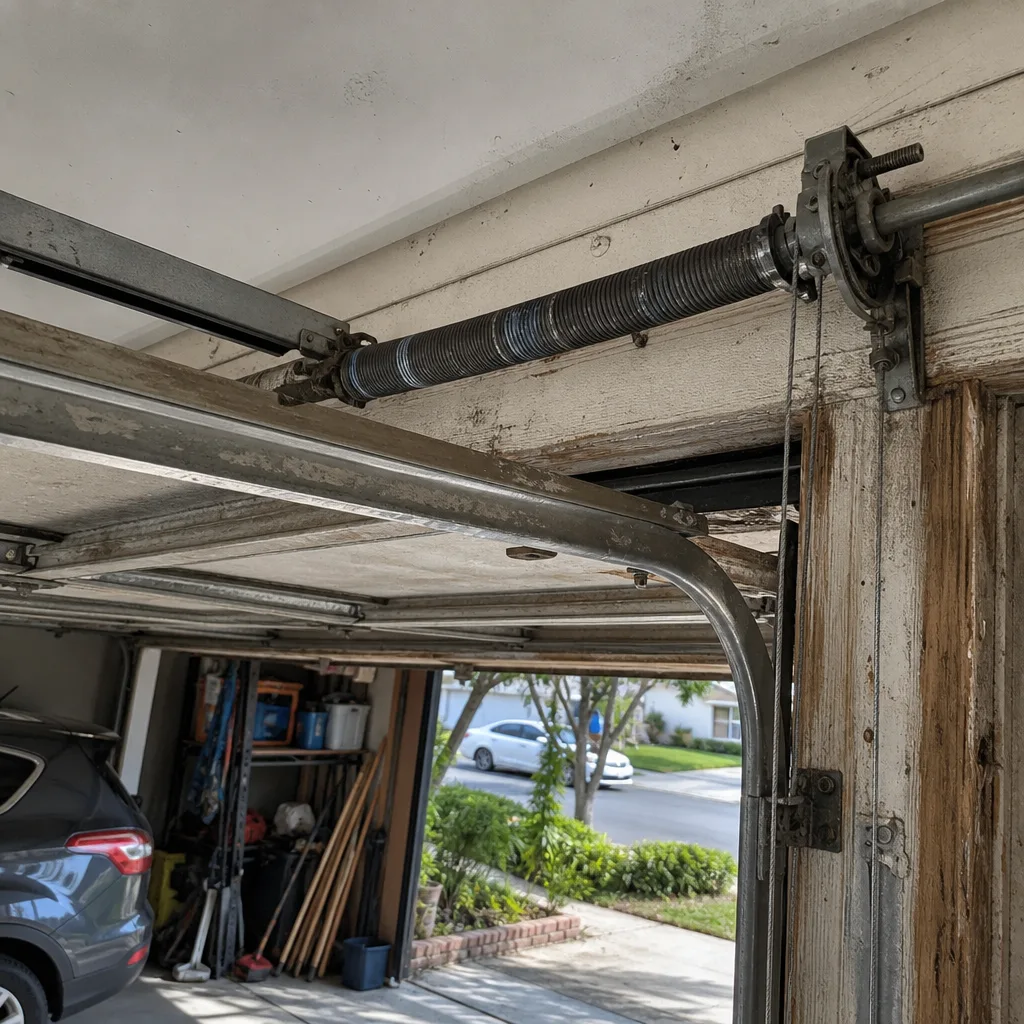 Before
 After
 Before
 After
 Before
 After