
Last updated October 31, 2026
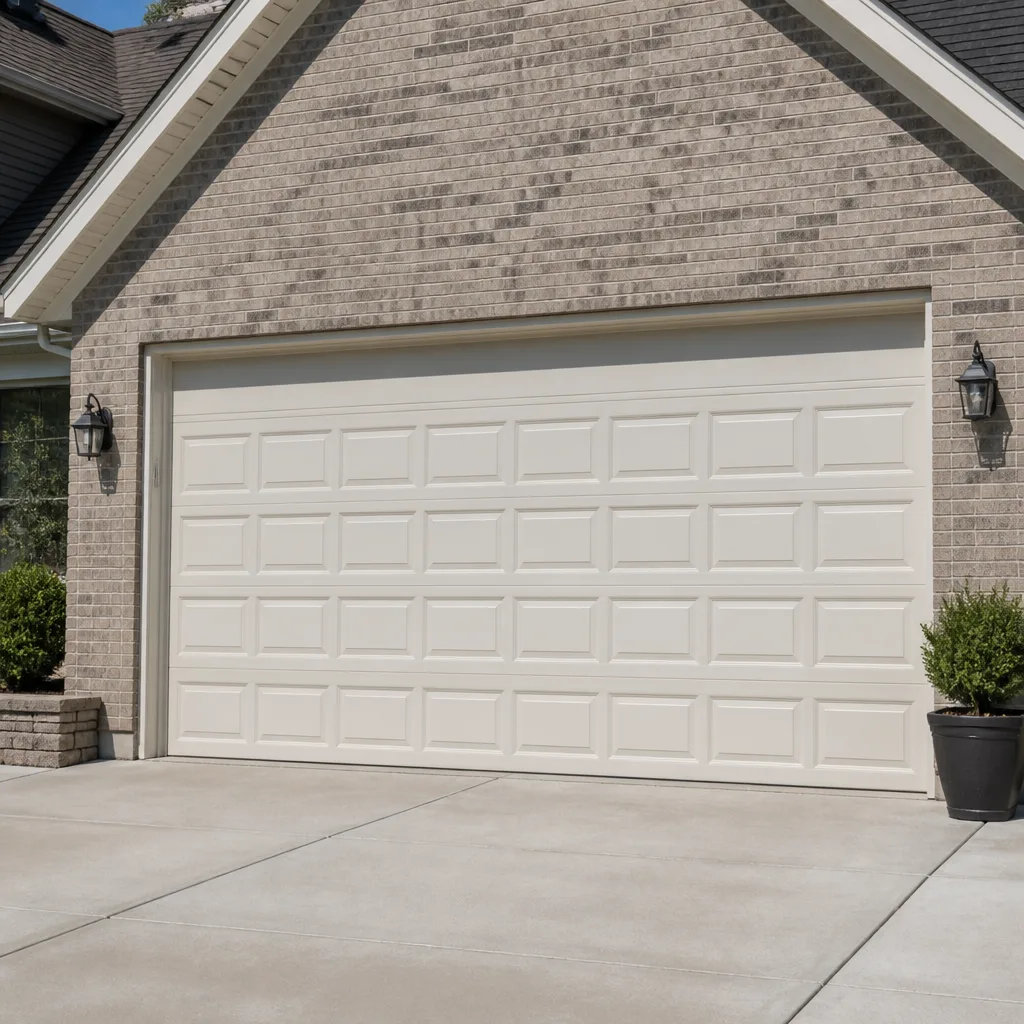 Raised-panel steel
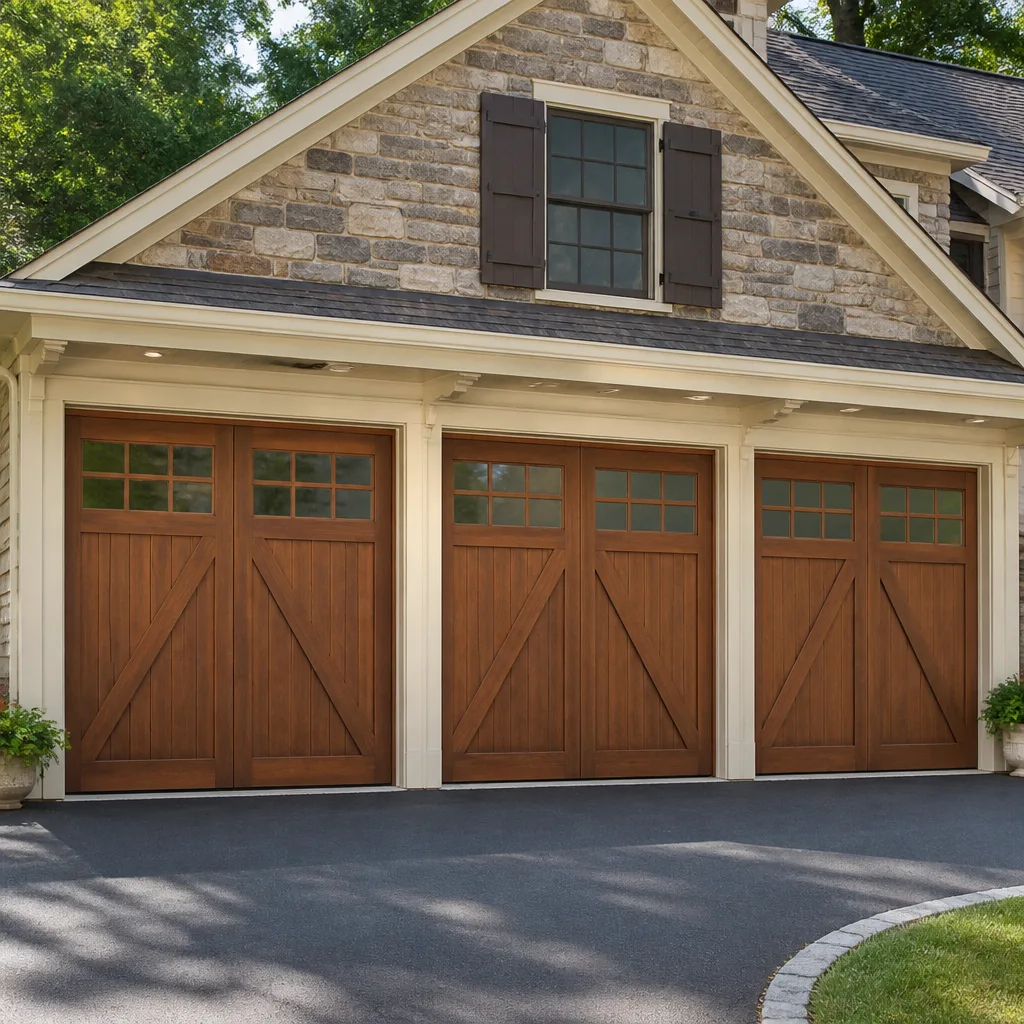 Carriage house
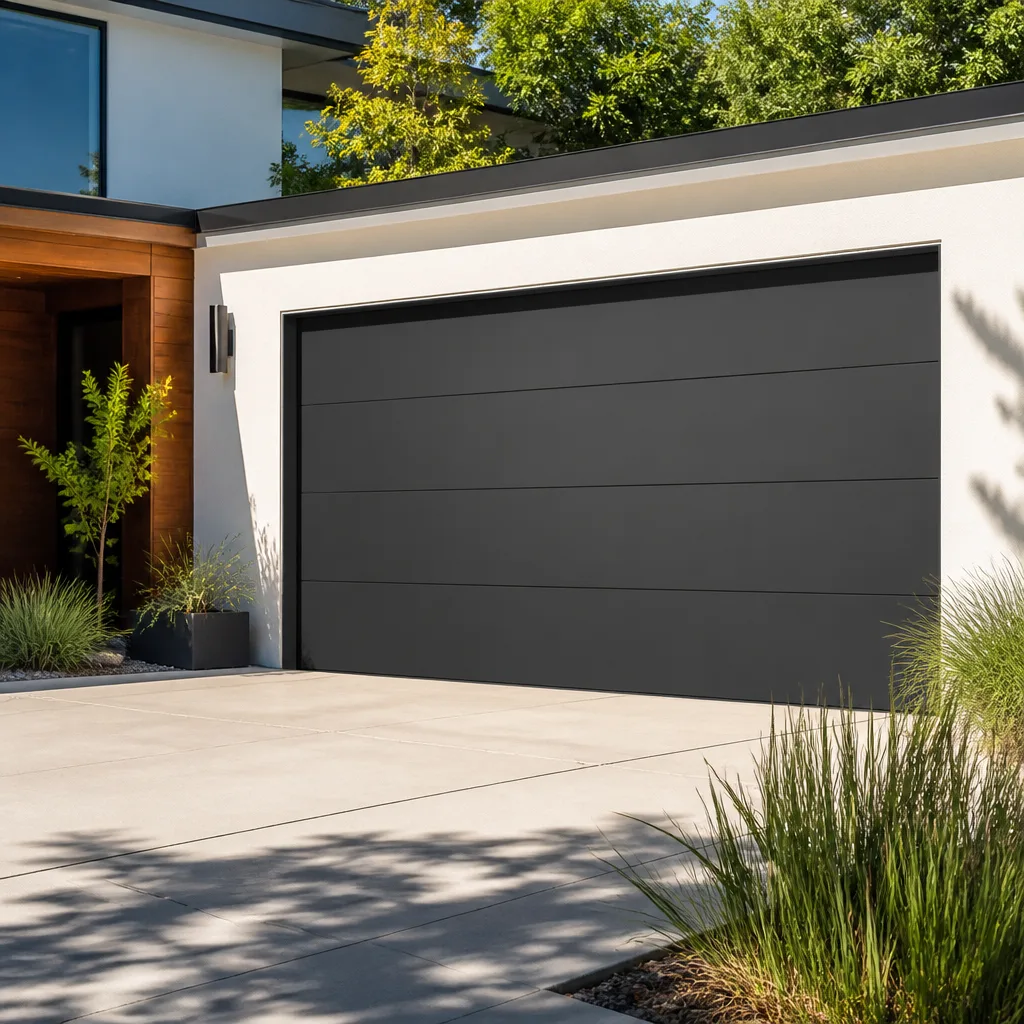 Modern flush
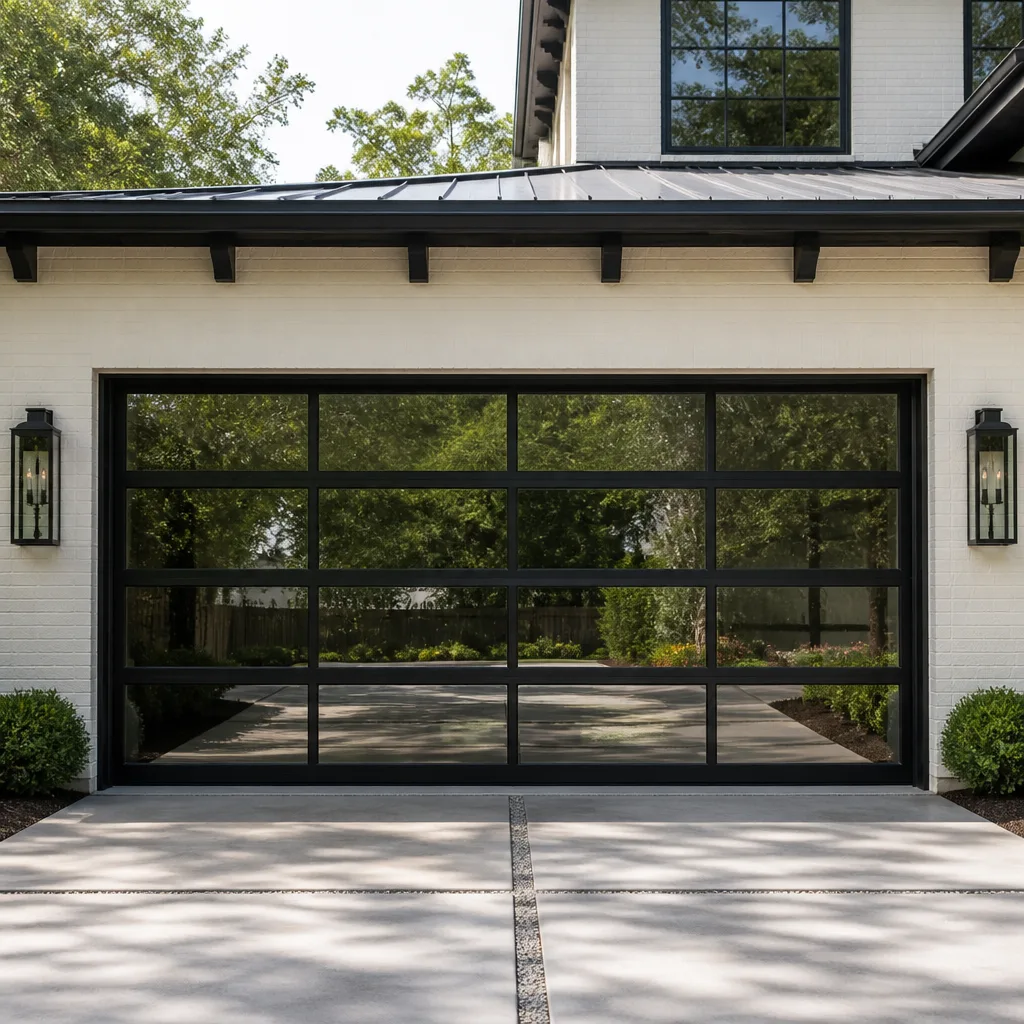 Full-view glass
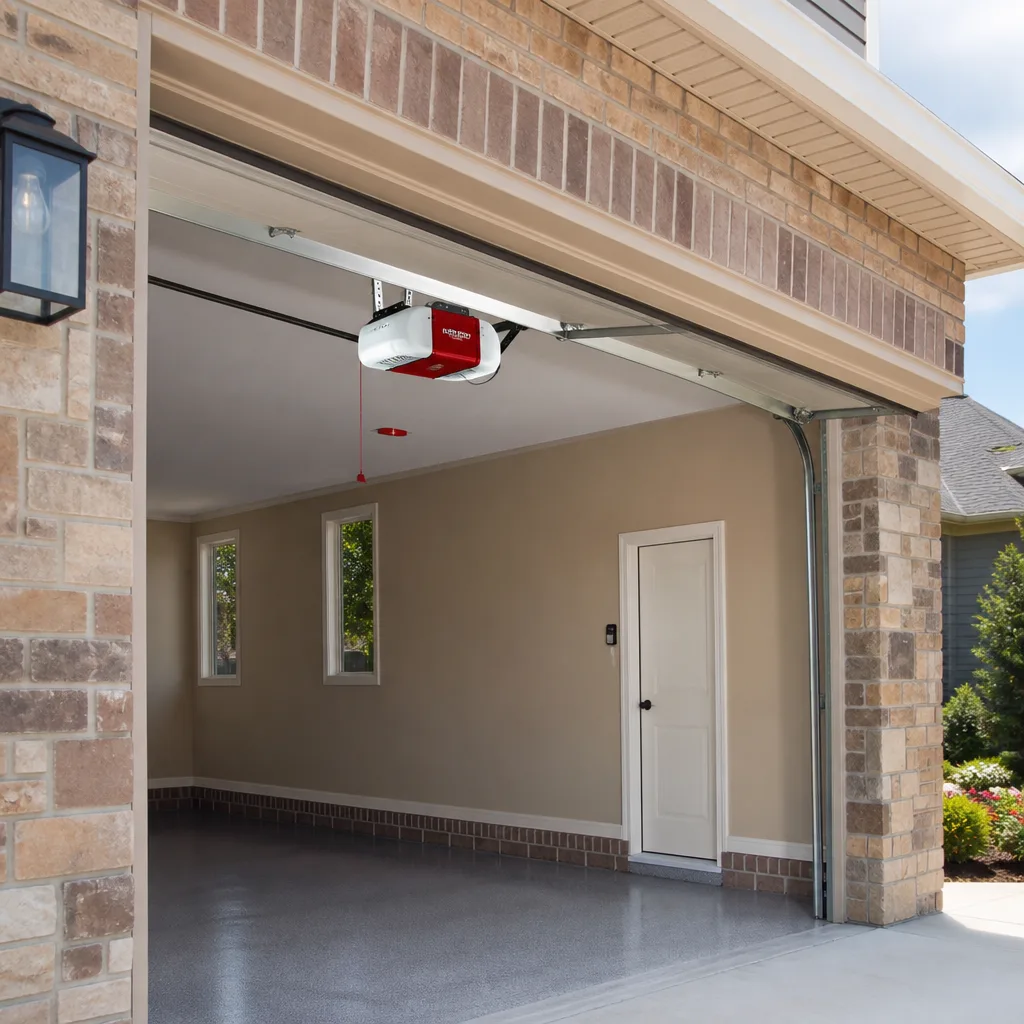 LiftMaster openers
 Chamberlain openers
Full 25-point door and opener safety check with every visit - springs, cables, rollers, tracks, and your LiftMaster or Chamberlain opener included
You get a price before we start. It does not change when the truck arrives.
Get your free estimateSeasonal Garage Door Care for Santa Ana: Year-Round Homeowner’s Guide
Santa Ana’s “mild weather” reputation is a trap. October Santa Ana winds, December temperature swings, May marine layer humidity cycles, and August heat loads each stress garage door components in completely different ways. A torsion spring that feels fine in March can snap on a 45-degree January morning. A door that glides smoothly in June can bind and strain by late September. This guide maps garage door maintenance to Santa Ana’s actual weather calendar, not a generic four-season model that doesn’t apply here. For a broader overview, see our The Complete Guide to Garage Door in Santa Ana. You’ll learn what to check each season, what fails and why, and when to handle something yourself versus calling a professional.
Quick Answer
Seasonal garage door care in Santa Ana means checking torsion springs before October wind season, lubricating rollers and hinges before winter temperature swings, treating rust on coastal-facing hardware during spring marine layer months, and adjusting travel limits during summer heat expansion. A 15-minute quarterly inspection prevents most mid-season failures. The best months for full maintenance are late September, January, April, and July.
Styles & brands we work with
Table of Contents
- Why Santa Ana Weather Breaks Garage Doors Differently
- Fall: Santa Ana Wind Season Stress
- Winter: Temperature Swings and Torsion Spring Fatigue
- Spring: Marine Layer Humidity and Rust Prevention
- Summer: Thermal Expansion and Panel Movement
- Santa Ana Annual Maintenance Calendar
- Common Mistakes to Avoid
- When to Call a Professional
Why Santa Ana Weather Breaks Garage Doors Differently
Most garage door maintenance advice online is written for places with snow, ice, and real winter. Santa Ana homeowners who follow that advice miss the actual threats. Our climate has four distinct stress periods, and each one attacks a different component of your door system.
Santa Ana sits roughly 10 miles inland from the Pacific, which means ocean influence without ocean moderation. We get marine layer mornings that burn off by noon, followed by dry, hot afternoons. That daily humidity cycle isn’t dramatic, but over months it creates a specific wear pattern: surface rust on unpainted hardware, stiffening grease in rollers, and slight swelling in wood-frame components.
Then the Santa Ana winds arrive. These offshore gusts, sometimes hitting 40 to 60 mph in the canyons and foothills, hit garage doors differently than coastal breezes. They push directly against the door face, which tests the balance, the weatherstripping, and every hinge connection. A door that’s slightly out of balance becomes obvious when 50 mph gusts hit it.
We’ve worked on garage doors across Santa Ana, from French Park to Floral Park to the newer developments along the Tustin border. The seasonal failure pattern is consistent: wind season reveals neglect, winter temperature swings snap springs, marine layer months accelerate rust, and summer heat causes binding and travel-limit issues. The sections below address each stress period in the order it hits during the year.
Fall: Santa Ana Wind Season Stress
Santa Ana wind season typically runs from late September through November, sometimes stretching into December. These winds are hot, dry, and persistent. They carry fine dust, dried leaves, and debris from the foothills. For your garage door, this season is about three things: spring tension, seal integrity, and debris intrusion.
Spring tension checks. The torsion springs above your garage door carry the entire weight of the door. When these springs lose tension, the door becomes harder to lift manually and harder on the opener motor. Wind season is when a weak spring shows itself, because gusts push against the door and reveal any imbalance. Here’s what to check:
- Pull the emergency release cord (usually a red handle hanging from the opener rail) while the door is closed.
- Lift the door manually to waist height. It should stay put, not shoot up or drop down.
- If the door drifts downward, the springs have lost tension. If it flies upward, the springs are over-tensioned.
- Release the door gently and re-engage the opener by running it through a full cycle.
Important safety note: torsion springs are under extreme tension. Never attempt to adjust, remove, or replace springs yourself. A snapped spring can cause serious injury. If the balance test fails, call a professional. At Royal Garage Door Co, spring replacement and tension adjustment are core parts of our Garage Door Repair in Santa Ana service.
Seal integrity. The rubber weatherstrip along the bottom of the door and the vinyl trim around the frame take a beating during wind season. Dry winds desiccate rubber over time, causing it to crack and shrink. Gaps let dust, leaves, and even small animals into the garage. Run your hand along the bottom seal and look for gaps, brittleness, or missing chunks. In neighborhoods like West Floral Park and Morrison Park, we regularly see homes where wind-driven oak leaves have collected inside garages because a bottom seal failed months earlier and nobody noticed.
Debris intrusion prevention. Those same winds drive debris into the tracks, the rollers, and the sensor eyes. A leaf fragment wedged against a photo-eye sensor will stop your opener mid-cycle, which looks like a more serious problem than it is. Check the sensor lenses monthly during fall and wipe them clean. Clear debris from the tracks with a dry cloth. Don’t use WD-40 on tracks; it attracts dust and creates a sticky film.
Winter: Temperature Swings and Torsion Spring Fatigue
Santa Ana winter temperatures swing more than people expect. Overnight lows in December and January regularly dip into the mid-40s, and occasionally drop to the upper 30s in the colder pockets near the Santiago Creek corridor. By afternoon, it’s back up to 70. That’s a 25 to 30 degree daily range.
Here’s what that does to your garage door: steel contracts when it’s cold and expands when it’s warm. Torsion springs are made of hardened steel wire wound tightly under enormous tension. Every degree of temperature change makes the metal expand or contract. Over thousands of cycles, and hundreds of temperature swings, the metal develops micro-fractures. The cold overnight hours are when spring failures happen most often, because the metal is at its most brittle.
The average torsion spring is rated for about 10,000 cycles, which translates to 7 to 10 years of use. But in Santa Ana’s specific climate, springs can fail earlier if they’re carrying extra load or if the door has been out of balance for months. The failure is rarely gradual. Springs snap suddenly, usually in the early morning, and it sounds like a gunshot in the garage.
What to do in winter:
- Lubricate torsion springs with a silicone-based spray or white lithium grease. Do this every three months. It reduces friction and slows micro-fracture progression.
- Listen during operation. A garage door that grinds, strains, or hesitates in cold weather is telling you something. Smooth, quiet operation in all temperatures is the goal.
- Check the opener’s force settings. Cold weather makes everything move slightly harder. If your opener is set to the lowest force setting and the door bogs down on cold mornings, it may need a minor adjustment. This is a simple fix, but if you’re not sure how, call us or refer to your opener’s manual.
- Inspect the rollers. Nylon rollers with sealed bearings handle temperature swings better than steel rollers. If you have steel rollers and they’re older, this is a good time to consider upgrading.
We know the brands most common in Santa Ana garages: LiftMaster and Chamberlain openers paired with Clopay or Amarr doors are everywhere in this city. Those systems are reliable, but they still need seasonal attention. A Chamberlain opener losing force on a cold morning isn’t a motor failure; it’s often a lube and balance issue. Our Garage Door Opener Repair in Santa Ana service handles opener-specific problems most general handymen avoid.
Spring: Marine Layer Humidity and Rust Prevention
May and June in Santa Ana are defined by the marine layer. Those gray, foggy mornings bring relative humidity up to 80% or higher, especially in neighborhoods south of the 5 and west of the 55 where coastal air lingers longer. If your home is within 10 miles of the coast, meaning most of Santa Ana, your garage door hardware is exposed to this humidity cycle almost every night from late spring into early summer.
Here’s the problem: bare steel rusts. Most garage door hardware, including hinges, brackets, and roller stems, has a zinc coating or powder coat. But after years of exposure to coastal humidity, especially if the coating has been scratched or worn, rust starts. Rust on hinges creates friction. Friction creates strain on the opener motor. Strain shortens the life of every component in the chain.
Symptoms of marine-layer rust damage:
- Orange or brown staining on hinges and brackets
- Creaking or squeaking that didn’t exist in winter
- Visible pitting on roller stems
- Stiffness when opening the door manually
Rust prevention checklist for May:
- Wipe down all visible hinges, brackets, and springs with a dry microfiber cloth.
- Apply a thin coat of silicone lubricant or white lithium grease to hinges, roller stems, and springs. Don’t use penetrating oils like WD-40; they strip lubricant and leave metal bare.
- Check for rust on the torsion springs specifically. Surface rust on a spring weakens the metal over time. If you see anything more than light discoloration, have it inspected.
- Test the auto-reverse safety feature. Press the close button and wave an object through the photo-eye beam. The door should reverse. If it doesn’t, the sensors may have corroded connections.
Rust on hardware is progressive. It doesn’t repair itself. Catching it in May saves you from paying for hinge and bracket replacement in September. If you’re seeing significant rust on older hardware, a full hardware replacement is usually more cost-effective than trying to clean and salvage each piece. We can give you an honest assessment during a Garage Door Repair in Santa Ana visit.
Summer: Thermal Expansion and Panel Movement
August in Santa Ana pushes temperatures into the mid-90s, with heat waves driving garage interiors past 110 degrees. A closed garage on a summer afternoon is essentially an oven. That heat does two things to your garage door: it expands the metal panels, and it softens seals and weatherstripping.
Panel expansion. Steel and aluminum garage door panels expand in heat. A 16-foot steel door can grow by an eighth of an inch over its full width. That doesn’t sound like much, but if the door was installed tight in the frame, that expansion causes binding. The door scrapes against the jambs. The opener motor works harder. Travel limits, the settings that tell the opener how far to move the door up and down, can be thrown off.
Symptoms of heat-related expansion issues:
- The door rubs or scrapes against one side of the frame
- The opener reverses for no apparent reason mid-cycle
- The door stops before fully closing, leaving a gap at the bottom
- Unusual groaning or strain from the opener motor
How to adjust travel limits on most openers:
- Locate the travel limit screws on the opener motor unit. On LiftMaster and Chamberlain models, they’re usually plastic dials or screws on the side of the unit.
- Check your manual for which screw controls the down travel limit. Turn it a quarter-turn at a time, then test the door.
- Adjust until the door closes fully without pressing hard against the floor.
- Repeat for the up travel limit if the door doesn’t open fully to the header.
If adjusting travel limits doesn’t solve the binding, the door may have a misaligned track or the frame itself may have shifted slightly. That’s a job for a professional. We also see increased failure rates on Genie and Craftsman openers during heat waves, often because thermal expansion on the rail triggers false force-limit trips. If you own one of these brands, summer is the time to have the opener’s force settings checked.
Summer is also when older weatherstripping fails. The bottom seal softens in heat, and if it’s already cracked from wind season, chunks start falling off. A missing section of bottom seal in August means hot air, dust, and pests entering the garage during the hottest part of the year.
Santa Ana Annual Maintenance Calendar
Here’s a complete month-by-month calendar tied to Santa Ana’s actual weather patterns. Print this, tape it inside the garage, and follow it. None of these tasks take more than 20 minutes, and most take less than five.
January: Cold-temperature check. Lubricate springs, hinges, and rollers with silicone or lithium grease. Test the door balance manually. Listen for grinding or strain in cold weather.
February: Sensor check. Wipe photo-eye lenses clean. Verify auto-reverse function. Check opener force settings after the coldest weeks of the year.
March: Hardware inspection. Look for loose bolts on hinges, track brackets, and opener rail. Tighten anything that has backed out. Check for rust starting on hardware.
April: Spring re-lubrication and rust treatment. Marine layer starts by late April or early May. Apply fresh lubricant to all moving parts. Address any surface rust before humidity reinforces it.
May: Weatherstrip inspection. Check the bottom seal for cracks and gaps. Replace if you see daylight under the closed door. Clean the tracks thoroughly.
June: Panel inspection. Look for dents, scratches, or paint damage on the door face. Touch up scratches on steel doors to prevent rust-through during humid summer months.
July: Travel limit check. Before the hottest stretch, verify the door opens fully and closes fully. Adjust travel limits if it’s stopping short.
August: Heat stress test. Run the door three full cycles on the hottest afternoon of the month. Listen for strain. Check for panel scraping against the frame. Look at the bottom seal for heat softening.
September: Pre-wind season prep. Check spring tension using the manual balance test. Replace any cracked weatherstripping before the Santa Ana winds arrive.
October: Debris management. Peak wind season starts. Check sensor lenses weekly. Clear tracks of leaves and dust after any significant wind event.
November: Full-season assessment. Run through the entire checklist: springs, rollers, hinges, seals, sensors, opener force, travel limits. Note anything that changed since last November.
December: Holiday readiness. The cold snap months. Lubricate everything one more time before overnight lows bottom out. Check the emergency release cord works freely. Don’t let a spring snap two days before Christmas.
Common Mistakes to Avoid
- Using WD-40 on everything. WD-40 is a penetrating oil and solvent. It strips existing lubricant and leaves metal dry and vulnerable. It’s fine for cleaning off grime, not for lubricating springs, rollers, or hinges. Use silicone spray or white lithium grease instead.
- Skipping the manual balance test. Most Santa Ana homeowners run the opener for years without ever disengaging it and testing the door by hand. The balance test takes 30 seconds and tells you more than any other single check.
- Ignoring a noisy door. Creaking, grinding, or popping isn’t cosmetic. It’s friction, and friction in a garage door system means a component is about to fail. By the time it fails, the repair is always more expensive than it would have been if caught early.
- Treating all lubricant as the same. Garage door springs and hinges need a heavy enough lubricant to stay in place. Spray-on household oils drip off or attract dust. Pick the right product for the application.
- Forgetting the opener. Homeowners focus on the door panels and forget that the opener motor, rail, and drive mechanism need seasonal attention too. Opener-specific problems, like force-limit drift and travel-limit errors, accumulate quietly and then cause intermittent failures that are hard to diagnose.
- Painting over rust without treating it. If you paint over active rust, the paint traps moisture and accelerates the corrosion underneath. Remove surface rust first, then prime, then paint.
- Waiting until something breaks. The most expensive garage door repairs in Santa Ana are the ones that could have been prevented with a $15 tube of lubricant and 15 minutes a season. Seasonal maintenance is insurance against the $300 emergency call.
When to Call a Professional
Some garage door tasks are safe and straightforward for a homeowner. Others are genuinely dangerous. Torsion spring work is the obvious one: those springs hold hundreds of pounds of tension, and a sudden release can cause catastrophic injury. Never attempt to adjust, remove, or replace a torsion spring. The same goes for cable replacement, track realignment on a door that has shifted, and any situation where the door has come off its tracks.
Opener motor replacement involving electrical work is another job for a professional. Lithium battery backups in newer LiftMaster and Chamberlain openers also require careful handling. If your door is shaking, making loud banging noises, or failing the balance test repeatedly, call us. Garage Door Installation in Santa Ana is a specialized process that requires proper spring sizing, track alignment, and opener calibration. Royal Garage Door Co offers free estimates in Santa Ana, call (866) 808-7312 and we’ll come out and assess the situation.
See the difference
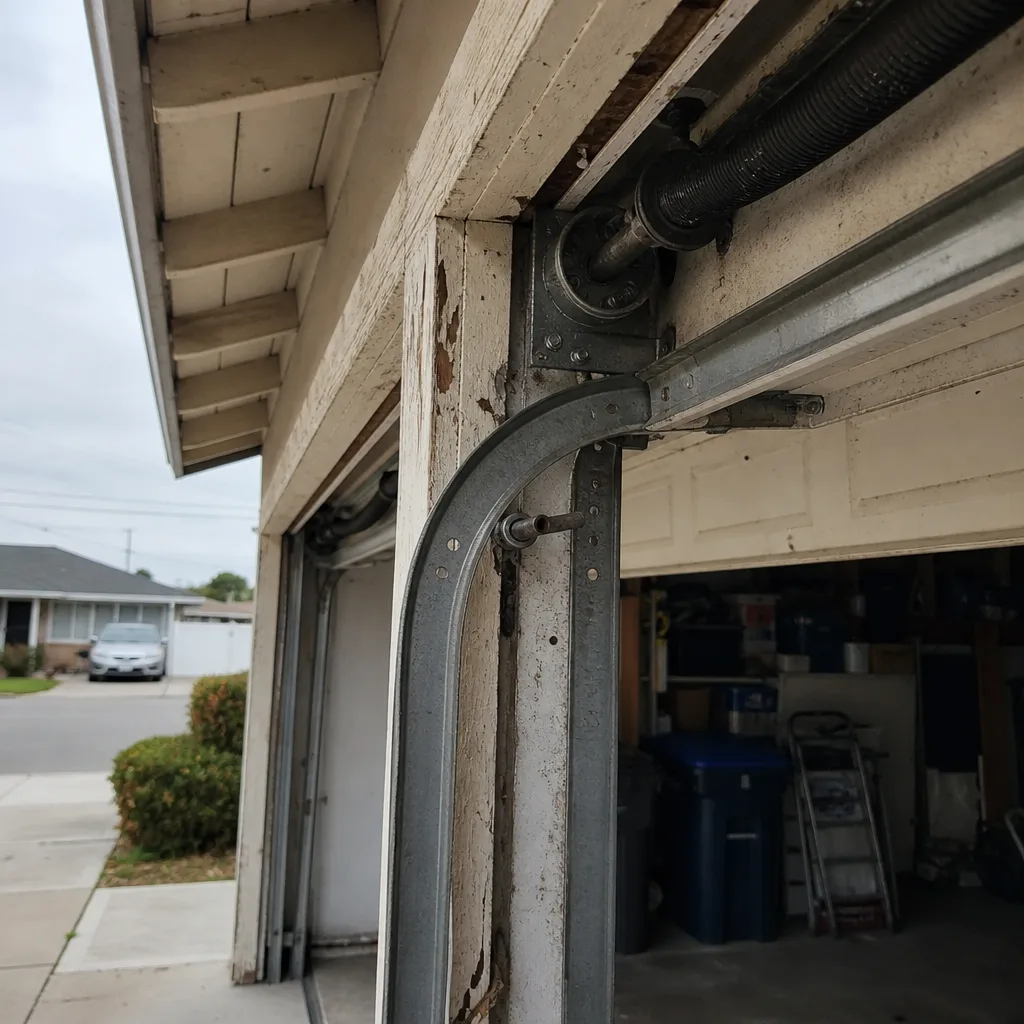
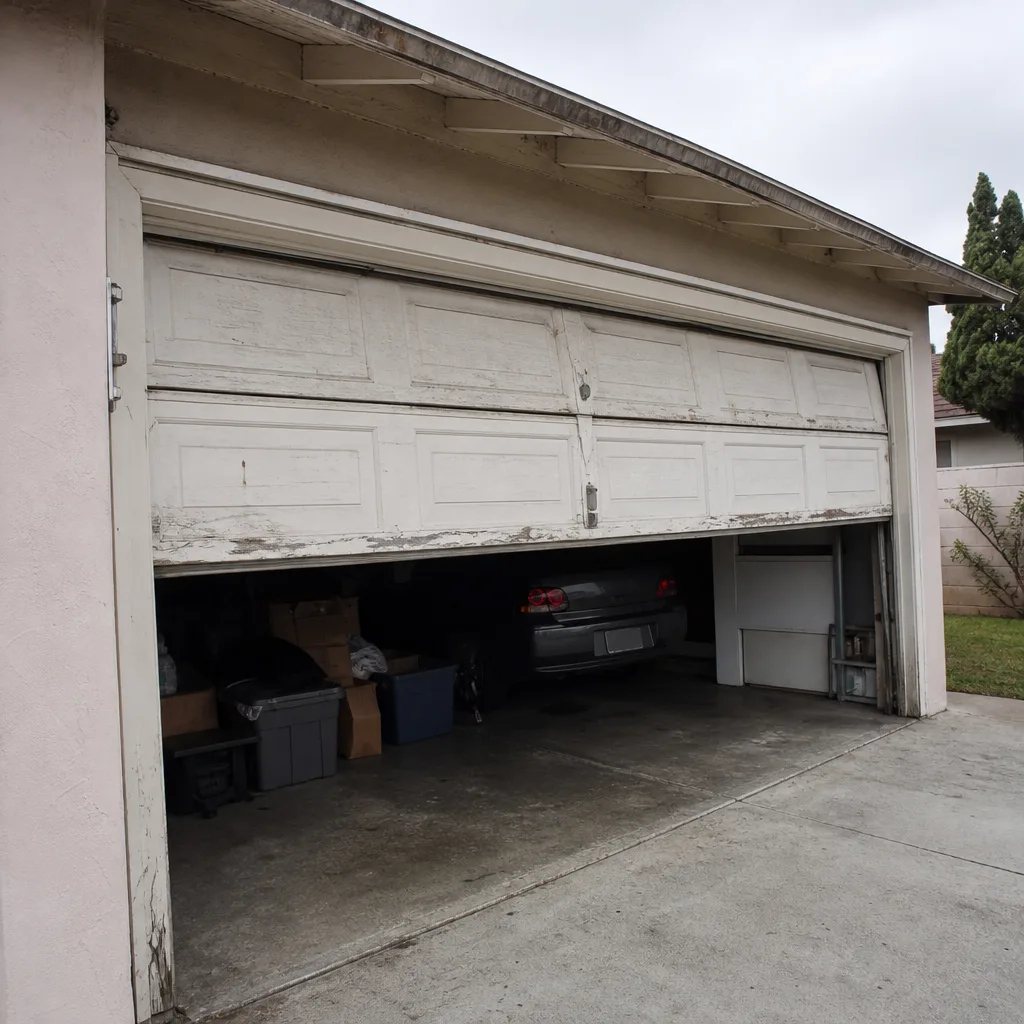
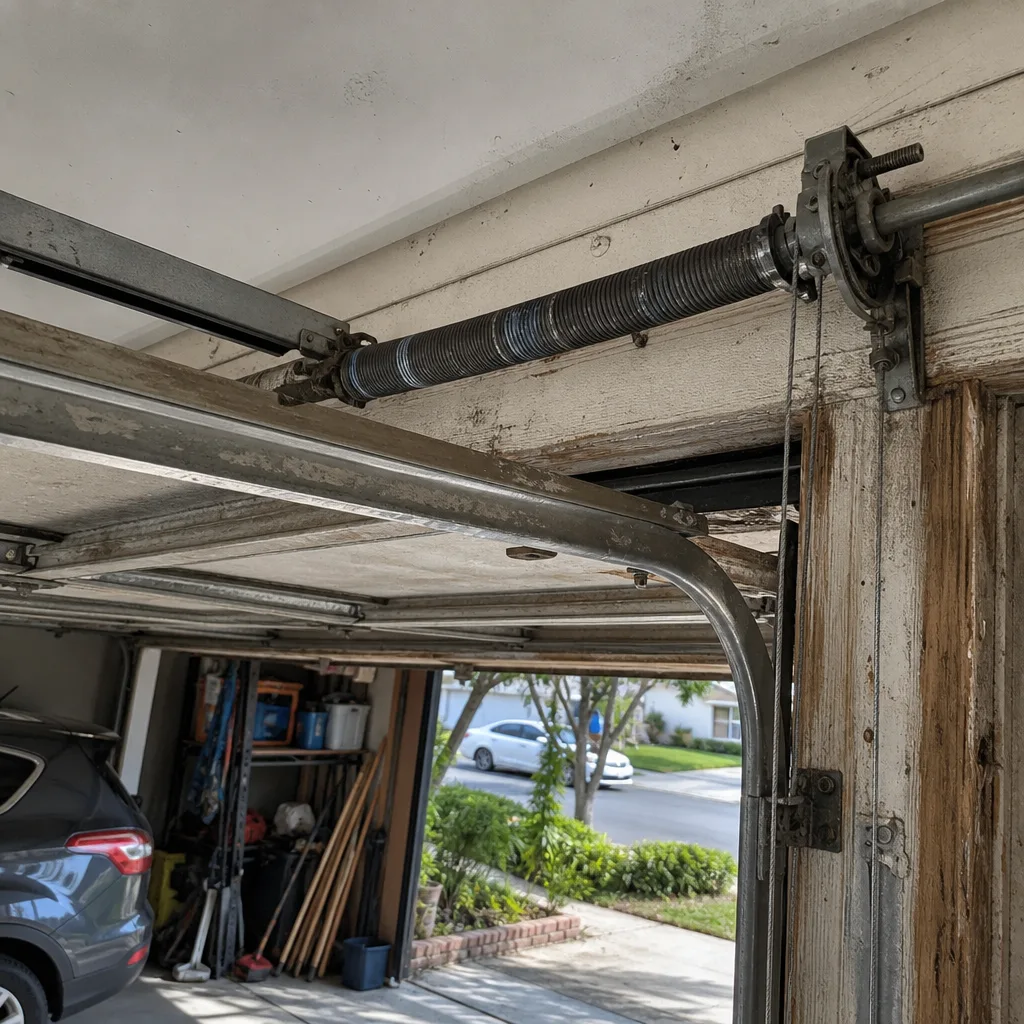 Before
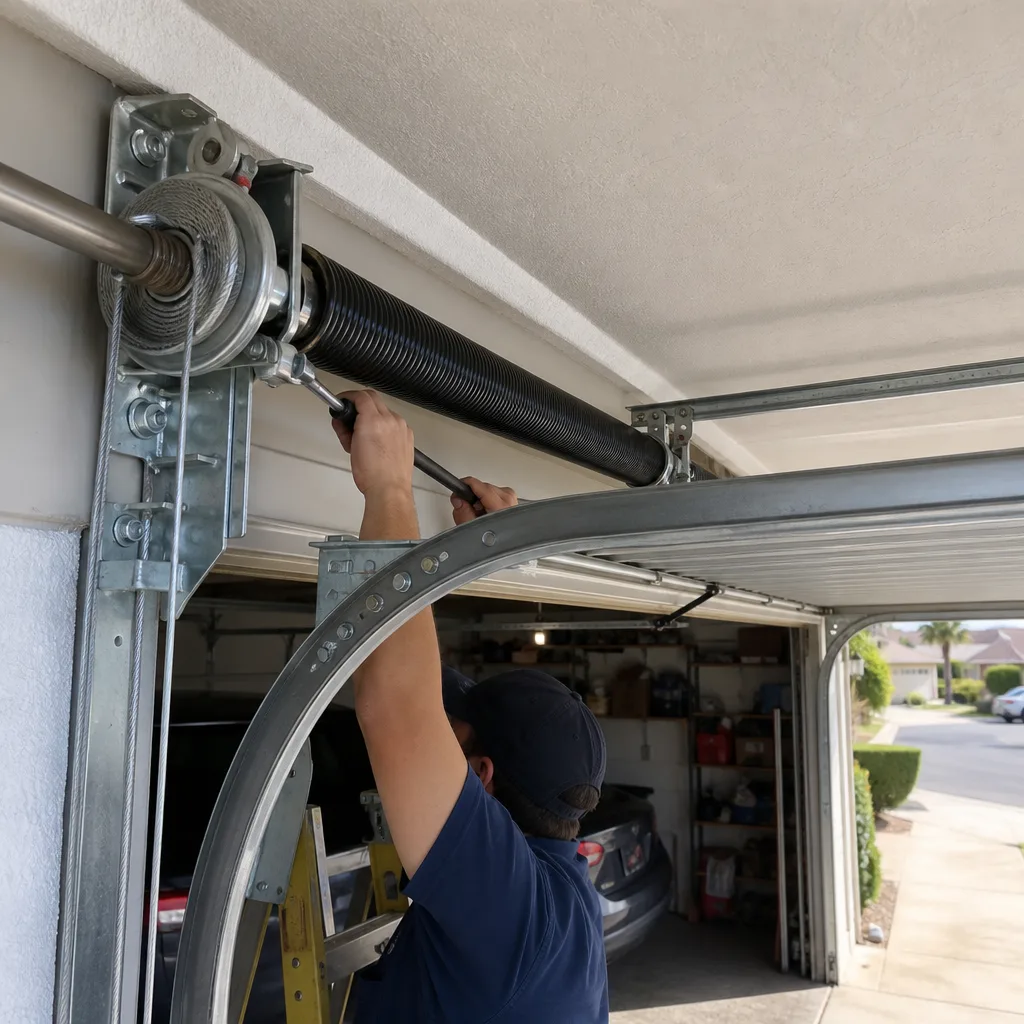
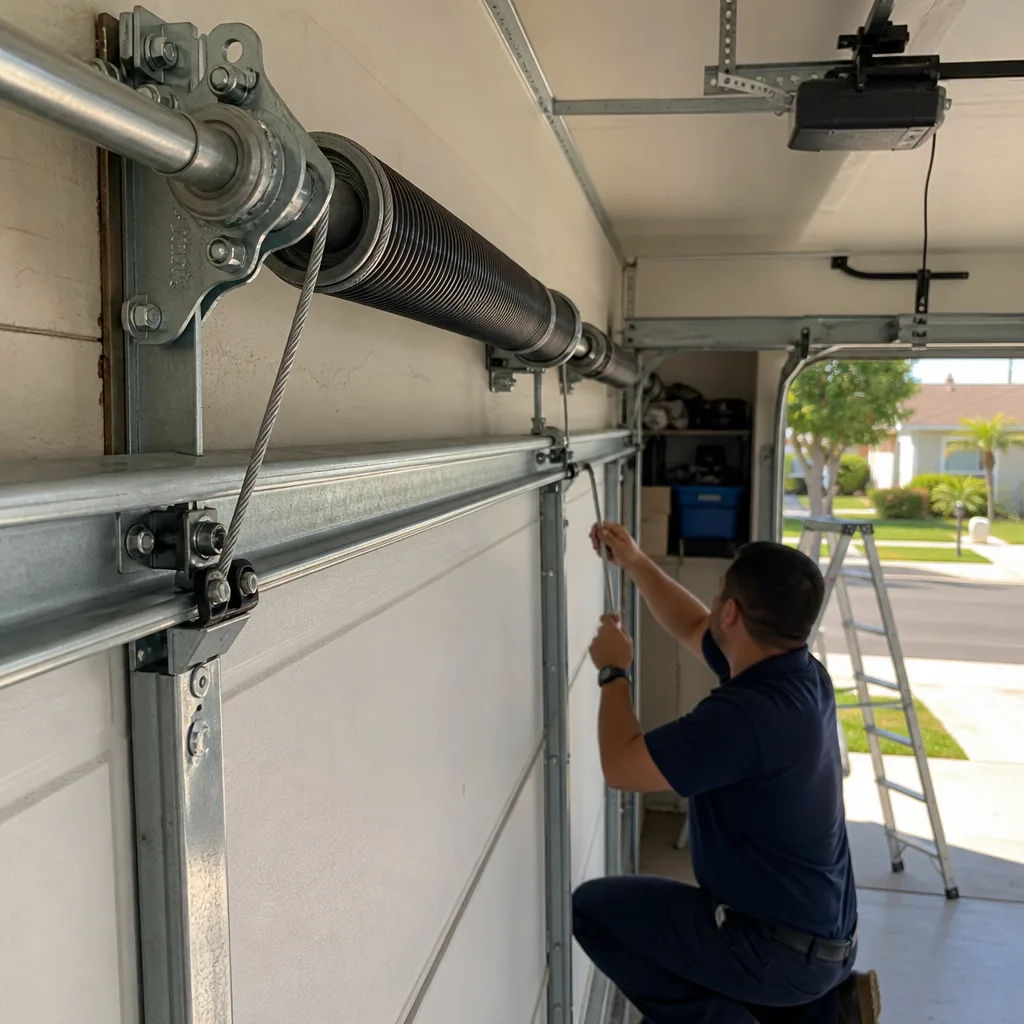
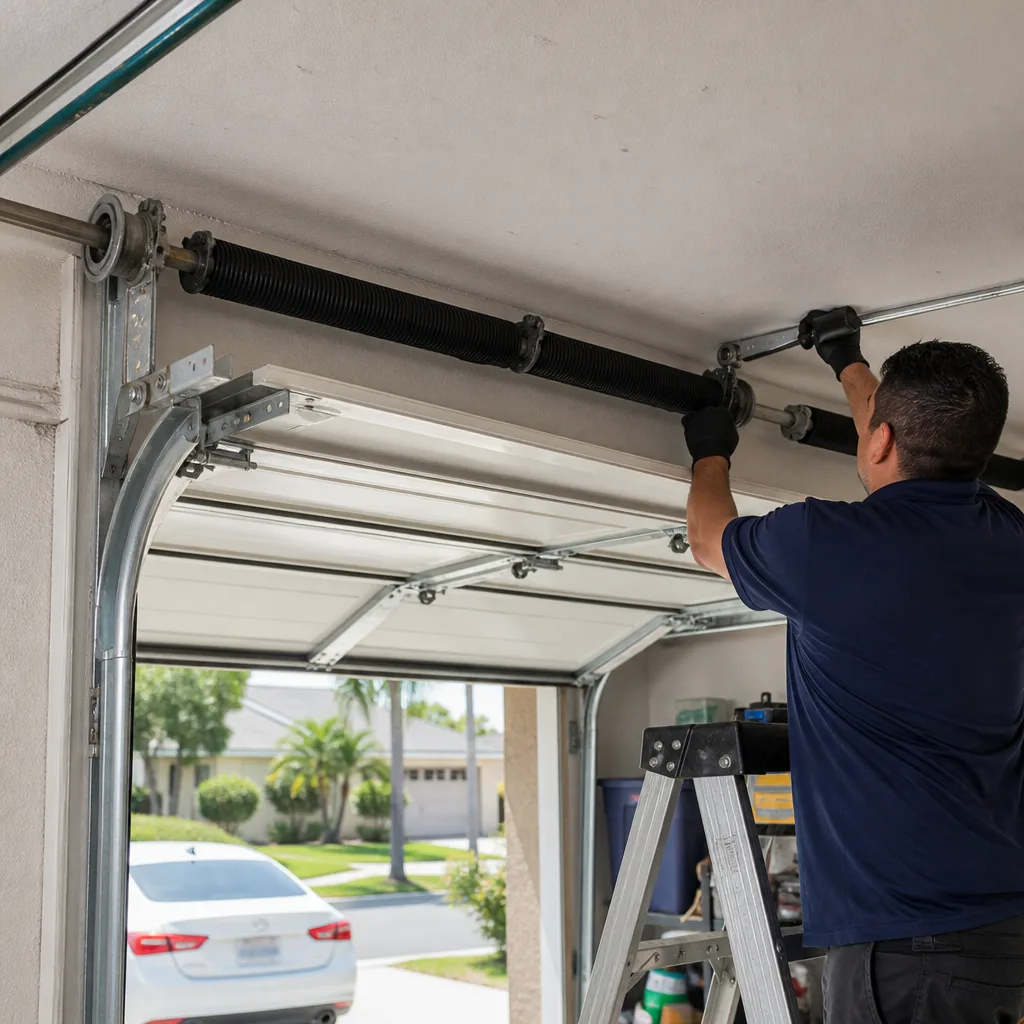 After
 Before
 After
 Before
 After
Frequently Asked Questions
Most Santa Ana homeowners spend $75 to $150 per year on DIY seasonal maintenance supplies, mostly lubricant and replacement weatherstripping. A professional tune-up typically runs $85 to $175 depending on what needs adjusting or replacing. Call (866) 808-7312 for an exact quote, estimates are free.
Most seasonal maintenance tasks, like lubricating rollers, checking balance, wiping sensors, and inspecting weatherstripping, are safe for homeowners to do themselves. The line is crossed with anything involving torsion springs, cables, or track realignment. Those jobs require training and proper tools, and the danger of serious injury is real.
Every three months, or four times a year. Santa Ana’s specific climate pattern, humid marine layer mornings alternating with dry Santa Ana wind afternoons, dries out lubricant faster than either climate would on its own. Set a quarterly reminder on your phone.
Cold steel contracts and moves differently than warm steel. Lubricant thickens in colder temperatures. The combination creates friction and noise that wasn’t there in warmer months. Lubricating with a silicone-based spray during winter usually resolves it. If the noise persists after lubrication, the issue may be worn rollers or insufficient spring tension.
The manual balance test is the most reliable indicator. Disconnect the opener, lift the door halfway, and let go. If the door falls, the springs are weak. If it shoots upward, they’re over-tensioned. Visible gaps in the spring coils, rust, or a spring that looks stretched are also signs. If you see any of these, have a professional inspect the springs. This is not a DIY repair.
September. It gives you a clean slate before wind season, which is the harshest stress period for Santa Ana garage doors. A September tune-up catches issues that have accumulated through summer heat and prepares the door for the October through December wind and cold cycle. Late March or early April is the second-best time, catching the door before marine layer humidity accelerates rust.
The Bottom Line
Santa Ana garage doors fail in predictable seasonal patterns. Wind season reveals weak springs and failed seals. Winter cold snaps break tired torsion springs. Marine layer humidity in spring accelerates rust on untreated hardware. Summer heat binds expanded panels and trips travel limits. A 15-minute seasonal check in September, January, April, and July prevents most of these failures. The tasks are simple: lubricate, balance-test, wipe sensors, inspect weatherstripping. If anything feels wrong, don’t push through it. A professional assessment costs less than an emergency repair. Royal Garage Door Co works on every major brand found in Santa Ana garages, from Craftsman and Raynor openers to LiftMaster and Chamberlain systems, and we diagnose the real problem, not the one that’s easiest to sell.
Written by the team at Royal Garage Door Co, serving Santa Ana since 2016.
If your garage door needs attention this season, call (866) 808-7312 for a free estimate. Our team handles garage door repair, opener repair, and full installation for all major brands, and we’ll quote your price before any work begins.